Life Science Washington’s Member Spotlight series highlights the innovations, impact, and future vision of our member companies in the life sciences industry. Through curated questions, we explore their origins, breakthrough technologies, local presence, and industry leadership. This initiative showcases their contributions and strengthens connections within the life sciences community. If your organization is a member and would like to be highlighted in a future spotlight, please contact Kaitlyn Campitiello, Director of Marketing and Communications.
Tell us your origin story. How did RareCyte come to be, and what inspired its creation?

RareCyte was founded in 2009 by Ron Seubert and incubated within Issaquah-based Applied Precision, driven by the inspiration to create innovative technology capable of identifying and analyzing rare cells in blood—an essential step for advancing biomedical research. After the sale of Applied Precision to GE Healthcare in 2011, RareCyte became independent.
The company developed integrated imaging and sample preparation systems to provide researchers with unbiased, high-quality cell analysis. Its early breakthroughs led to the commercial launch of CyteFinder and AccuCyte platforms, gaining adoption across research and biopharma. In 2020, RareCyte expanded with the Orion Platform – a high-plex spatial biology platform for detailed tissue analysis, supporting translational research with scale and throughput. Today, RareCyte continues developing and selling advanced tools that empower non-profit researchers and BioPharma industry companies worldwide.
RareCyte is known for its precision biology platforms. Can you tell us about your core technologies and how they are advancing fields like liquid biopsy and spatial biology?
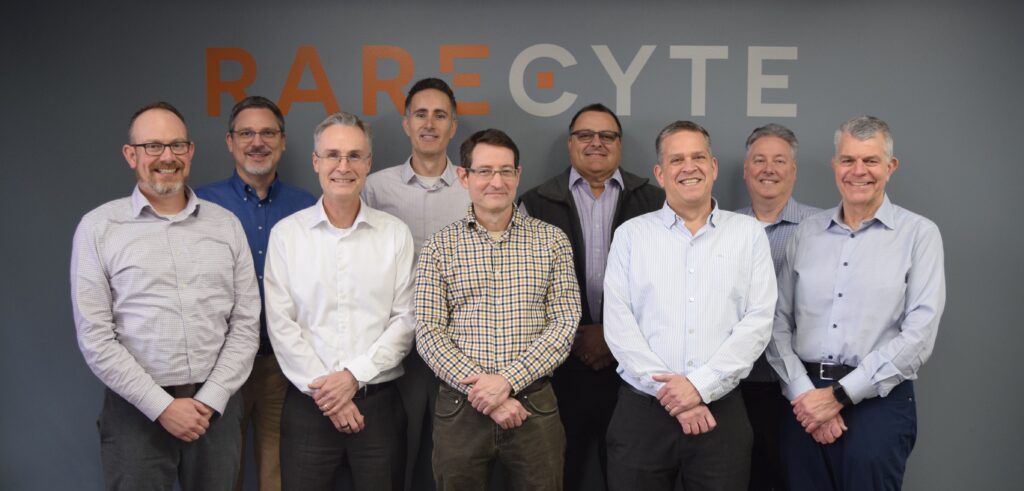
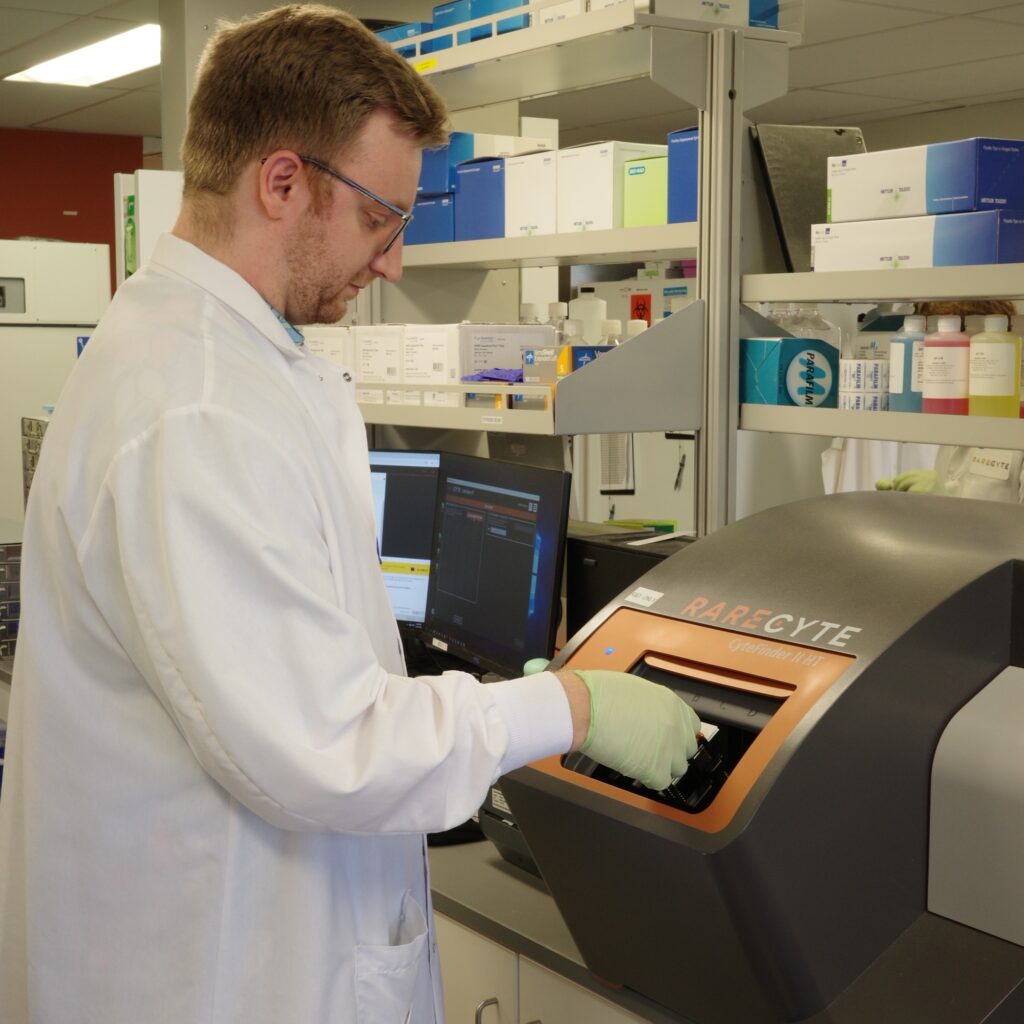
RareCyte develops and manufactures sophisticated platforms that combine instruments, consumables, and reagents to advance biomedical research, drug development, and next-generation diagnostics. We began in liquid biopsy with our groundbreaking CyteFinder platform, designed to identify and capture rare Circulating Tumor Cells (CTCs), which can spread cancer through the bloodstream. Enumerating and characterizing CTCs supports research, drug discovery, and potential diagnostic use.
Building on this technology, RareCyte created the Orion Platform for Spatial Biology, enabling researchers to study tissue morphology, tumor microenvironments, and surrounding healthy tissue. Orion is the only multiplex immunofluorescence system capable of imaging 20 channels per round, making it the leading platform for translational studies. With flexible, whole-slide spatial protein profiling, Orion supports a wide range of applications from research to clinical trials.
How does RareCyte’s integrated platform (instruments, reagents, software, and lab services) make it easier for researchers to get reliable results?

Orion, RareCyte’s spatial biology platform, delivers high-plex spatial protein profiling by integrating validated reagents, single-step staining, and automated high-resolution analysis to streamline workflows and ensure reproducible results across studies. Expert protocol support and software further simplify complex data interpretation, helping researchers generate robust, detailed insights from each tissue sample. In liquid biopsy, the RareCyte CyteFinder platform combines unbiased sample prep, reagents, automated imaging, and AI-driven analysis to capture rare cells with high sensitivity and reproducibility—providing a reliable single-cell workflow from blood sample to molecular data. Enhancing both instrument platforms are RareCyte’s Precision Biology Services, which provide support for existing users through assay development, sample testing, and analysis services; or as a fully outsourced clinical testing CRO.
Can you share a real-world example of impact? How are researchers or doctors using RareCyte’s tools today, and what difference has it made for science or patient care?
Dr. Kasi et al from the City of Hope is an example of a medical researcher utilizing RareCyte’s precision biology tools to make a real difference for patients. For example, in patients with mismatch repair proficient (pMMR/MSS) colorectal cancer, Kasi and team demonstrated that neoadjuvant botensilimab (anti–CTLA-4) plus balstilimab (anti–PD-1) can produce powerful immune responses in a population usually resistant to immunotherapy. By using RareCyte’s multiplex spatial profiling platform, the research team revealed an “inside-out” pattern of tumor regression, where immune cells target cancer from deep tissue outward.
Their findings show the potential to reduce the need for additional chemotherapy and improve patient outcomes. We’re proud that RareCyte technology enabled these insights and that the authors are advancing more effective, patient-centered treatments
What sets RareCyte apart from other companies in the precision biology space?
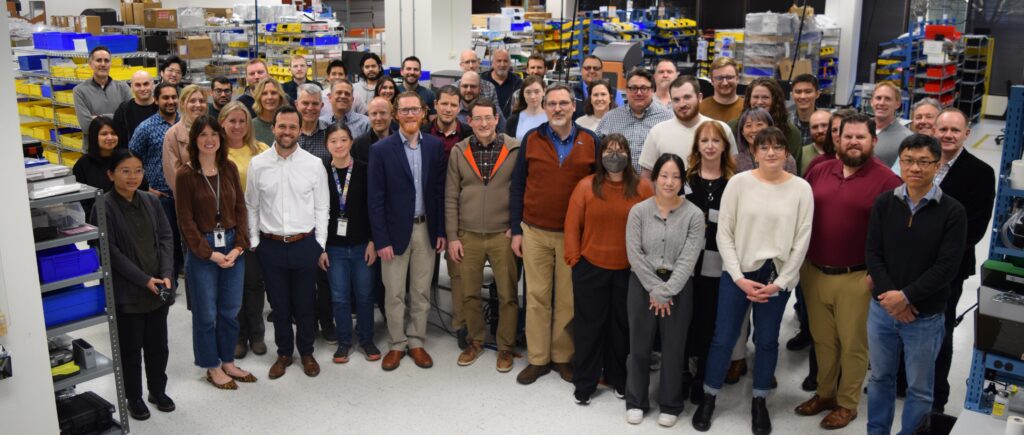
RareCyte builds advanced solutions with in-house R&D and manufacturing in Seattle to accelerate translational and clinical research in spatial biology and liquid biopsy. Our flagship platforms, Orion and CyteFinder, were engineered to solve major challenges in these fields, not only to provide researchers with tools that provide the highest quality data, but also seamlessly integrate into their existing workflows.
Most spatial biology instruments have low throughput, limiting clinical use. Orion enables high-plex, whole-slide imaging with 20 channels per round, supporting comprehensive spatial profiling at the scale needed for translational and clinical research. CyteFinder delivers single-cell analysis with ~1000 times greater sensitivity than flow cytometry, detecting cells below its limit of detection. Through these technologies and our integrated services, RareCyte empowers researchers and clinicians with the precision biology tools they need.
Where do you see RareCyte in the next 5-10 years? Can you share some of your most exciting upcoming projects or innovations?
RareCyte is committed to continuing innovation in both spatial biology and liquid biopsy technologies to drive breakthrough advancements in precision medicine. We are focused on expanding the capabilities of our Orion platform to provide researchers with even more powerful, efficient tools for high-plex tissue analysis. At the same time, we are advancing our liquid biopsy solutions to enable sensitive detection and characterization of rare cells for earlier diagnosis and better disease monitoring. By integrating cutting-edge instrumentation, reagents, and software, and supporting researchers with our Precision Biology Services, RareCyte aims to accelerate discovery, translational research, and clinical applications that improve patient outcomes worldwide.
Learn more about RareCyte and stay updated by following their social channels:
- RareCyte’s Website: https://rarecyte.com/
- RareCyte Career Site: https://rarecyte.com/careers/
- RareCyte‘s LinkedIn: https://www.linkedin.com/company/rarecyte/
If your organization is a member of Life Science Washington and would like to be highlighted in a future spotlight, please contact Kaitlyn Campitiello, Director of Marketing and Communications.